
August 12, 2026
The 10-Month Home Inspection: Because “Brand New” Is Not a Force Field
Congratulations, you bought a brand-new home! No decades-old wiring, no mystery stains, no avocado-green appliances marching toward obsolescence. Everything smells like fresh paint, new carpet, and optimism. So why on earth would you inspect it? Because even brand-new homes have a way of whispering “Surprise!” right around the time your builder warranty is packing its bags for the one-year deadline.
Why 10 Months Is the Sweet Spot

Most new construction homes come with some version of a one-year builder warranty. That warranty can be incredibly useful, so use it while you can! Once the deadline passes, many fixable builder-related issues (like the guest bathroom fan that sounds like a helicopter) become your problem, your calendar, and your credit card.
A 10-month inspection gives your home time to settle, shift, expand, contract, leak, squeak, crack, drip, and generally reveal its personality — while still giving you enough runway to document issues and submit them to the builder before the one-year mark.
New Does Not Mean Perfect
A new home is a little like a new car: beautiful, shiny, and assembled by humans under deadlines. And humans, bless us, occasionally install things backward, forget caulking, misalign doors, slope surfaces in exciting directions, or create electrical mysteries worthy of a detective series.
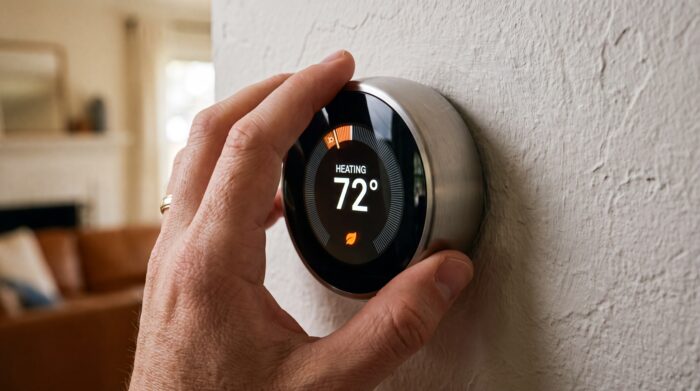
During the first 10 months, everyday living puts the house through a real-world test drive. You’ve run the heating and cooling, used every sink, opened every window, and discovered which door only closes when Mercury is in retrograde. An independent inspector can turn those little annoyances into a clear, organized punch list.
What Might Show Up?
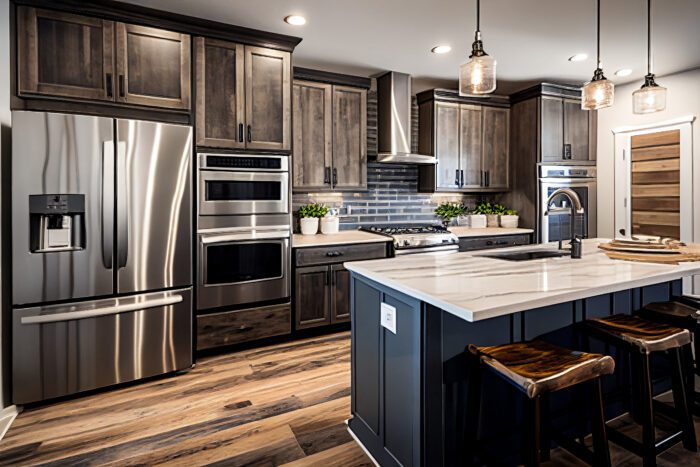
A 10-month inspection isn’t about proving your home is falling apart. As Nick Rizzi, realtor at Happy Homes, puts it: “It’s much different than a regular resale inspection where you’re looking for problems, systems that are failing. In a new build, it’s more about things that are easy to miss — a rag that fell into a pipe, kind of thing. It’s more about quality control than big issues.”
Common discoveries can include:

- Settling cracks that may be cosmetic or worth watching more closely
- Doors and windows that stick, gap, or fail to latch properly
- Plumbing leaks hiding under sinks, behind toilets, or near appliances
- HVAC issues, uneven airflow, or rooms with their own private climate agenda
- Roofing, flashing, gutter, grading, or drainage concerns
- Electrical outlets, GFCI protection, switches, or fixtures that need attention
- Caulking, sealing, trim, flooring, drywall, and finish defects that were easy to overlook on closing day
The Inspection Report Is Your Receipts Folder
There’s a special kind of power in telling your builder “the inspector found a few items” instead of “I have a vague feeling the house is doing something weird.” A professional report adds photos, locations, and descriptions — helping you communicate clearly, prioritize repairs, and skip the classic homeowner pastime of pointing at a wall and saying “it just seems… off.”

It also gives you time to submit the list, follow up, and handle everything like the responsible adult your mortgage company believes you are.
Your 10-Month Game Plan

- Find your warranty documents and confirm the exact expiration date
- Schedule an independent inspection around month 10 — early enough to act before month 12
- Walk the home yourself and note anything that’s changed, cracked, shifted, or stopped behaving politely
- Review the report and separate urgent, safety-related, and warranty-eligible items
- Submit the repair list to your builder in writing and keep copies of every message, photo, and response
- Follow up until repairs are completed, verified, and no longer living rent-free in your brain
The Bottom Line
A 10-month inspection isn’t pessimism. It’s homeowner wisdom wearing sensible shoes. Your house has had nearly a year to show you what closing day couldn’t. The builder warranty is still alive. The punch list still has power.

So before your brand-new home graduates from builder responsibility to “guess who pays for that” — schedule the inspection. Future you will be delighted, grateful, and possibly a little smug about it.
The Looking Glass Difference
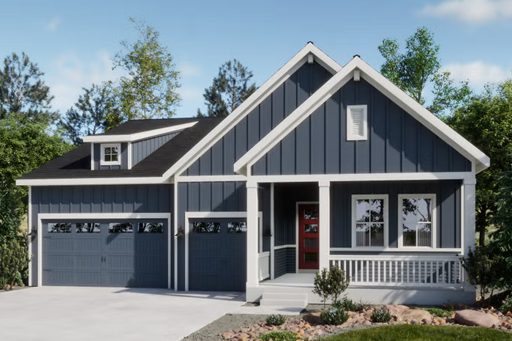
At Looking Glass, builders welcome your involvement in the ENTIRE process and want you happy every day, month, and year you own a home in this master-planned community. Visit with the folks at Dream Finders and Richmond American — not only do they have a variety of designs to suit every house hunter, they can help you navigate your new home-buying journey. Find your ranch, two-story, paired, or low-maintenance home, starting in the $600s, right here in Parker.